5s
+1
Submission successful!
September 4, 2026

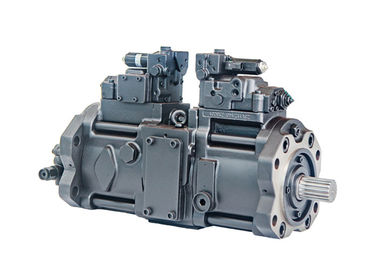
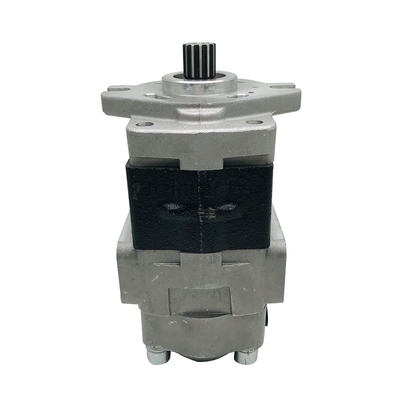
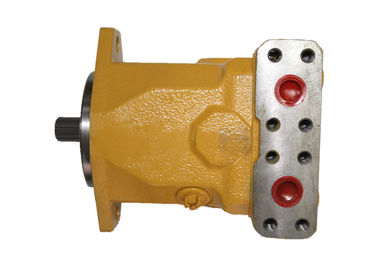
The hydraulic pump is one of the most critical components in an excavator's hydraulic system. Often referred to as the "heart" of the machine, it converts engine power into hydraulic energy and supplies the flow and pressure needed for digging, lifting, swinging, and traveling.
Like any mechanical component, a hydraulic pump will gradually wear over time. Recognizing the early warning signs of pump failure can help prevent costly breakdowns, reduce downtime, and protect other hydraulic components from damage.
If your excavator is showing any of the following symptoms, it may be time to inspect or replace the hydraulic pump.
One of the earliest signs of hydraulic pump wear is a decrease in machine performance.
Operators may notice:
Slower boom lifting speed
Weak bucket digging force
Reduced travel power
Sluggish swing movements
As internal components wear, the pump can no longer maintain the pressure and flow required for normal operation. If the machine feels less responsive than before, the hydraulic pump should be inspected.
A healthy hydraulic pump should operate smoothly with minimal noise.
Abnormal sounds such as:
Whining
Grinding
Knocking
High-pitched squealing
often indicate internal problems.
Common causes include:
Bearing wear
Cavitation
Air entering the hydraulic system
Damaged pistons or valve plates
Ignoring these noises can lead to severe internal damage and complete pump failure.
Excessive hydraulic oil temperature is another warning sign.
As internal wear increases, more energy is lost through internal leakage and friction. This causes the hydraulic system to generate additional heat.
Common symptoms include:
Hydraulic oil overheating
Reduced machine performance after long operation
Frequent high-temperature alarms
Overheating accelerates wear throughout the entire hydraulic system and should never be ignored.
If there is a delay between operating the controls and machine movement, the hydraulic pump may not be delivering sufficient flow.
Common examples include:
Delayed boom movement
Slow bucket response
Hesitation during travel
Sluggish swing operation
Although control valve issues can also cause similar symptoms, a worn hydraulic pump is often one of the primary causes.
External oil leaks around the hydraulic pump should be investigated immediately.
Leaks may develop from:
Worn shaft seals
Damaged O-rings
Cracked pump housing
Loose fittings
Even small leaks can lead to:
Low hydraulic oil levels
Air entering the system
Reduced lubrication
Premature component failure
If leakage is severe or recurring, replacement may be more cost-effective than repeated repairs.
During routine maintenance, technicians should inspect hydraulic oil and filters for contamination.
Finding metal particles in the oil may indicate:
Piston wear
Bearing damage
Valve plate wear
Internal component failure
Metal debris can quickly spread throughout the hydraulic system and damage other expensive components such as control valves, travel motors, and swing motors.
This is often a strong indication that the pump requires immediate attention.
A pressure test is one of the most reliable methods for evaluating hydraulic pump condition.
If measured pressure consistently falls below manufacturer specifications, the pump may have excessive internal leakage caused by worn components.
Common results include:
Weak digging force
Poor lifting performance
Slow travel speed
Reduced overall productivity
Low pressure is often a clear sign that the pump is approaching the end of its service life.
Even if a hydraulic pump is still functioning, age and operating hours should not be overlooked.
Excavators working in demanding environments such as:
Mining operations
Quarry sites
Heavy earthmoving projects
High-temperature environments
experience accelerated pump wear.
If the pump has accumulated thousands of operating hours and requires frequent repairs, replacement may be the most economical long-term solution.
A new hydraulic pump can often improve machine performance, reduce fuel consumption, and lower maintenance costs.
To maximize the service life of your hydraulic pump:
Use high-quality hydraulic oil
Replace filters regularly
Maintain proper oil levels
Keep the hydraulic system clean
Avoid overheating
Repair leaks promptly
Perform routine pressure testing
Preventive maintenance is far less expensive than replacing major hydraulic components.
The hydraulic pump is responsible for powering every major function of an excavator. When performance begins to decline, early diagnosis is essential.
Signs such as power loss, unusual noise, overheating, slow response, oil leaks, metal contamination, low pressure, and excessive operating hours should never be ignored.
Identifying these warning signs early can help operators avoid unexpected downtime, reduce repair costs, and maintain maximum productivity. If multiple symptoms appear at the same time, it may be the right moment to consider replacing the hydraulic pump before a complete failure occurs.